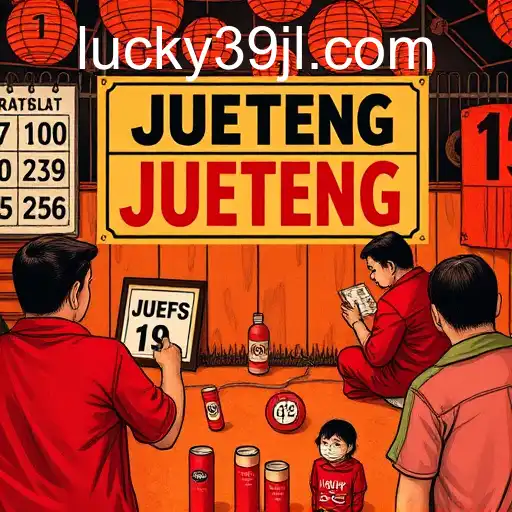
Understanding the Complex Landscape of Jueteng
Jueteng is a word that often resonates within the socio-political context of the Philippines. It is a form of illegal number game with deep roots in Filipino society, intriguingly intertwined with economic, cultural, and political elements. The presence of jueteng presents a significant issue that reflects broader socio-economic challenges within the region.
The Origins of Jueteng
Originating from China, jueteng was introduced to the Philippines during the Spanish colonial period. Its structure evolved over the years to adapt to local contexts and demographics. The game involves selecting a combination of numbers and relies heavily on chance.
Understanding jueteng requires diving into the socio-cultural fabric of local communities. For many Filipinos, especially those from disadvantaged backgrounds, jueteng offers a semblance of hope—a potential windfall that could transform their economic status overnight. This allure sustains its popularity across various social strata.
The Mechanics of the Game
The game operates based on a simple principle. Participants choose a combination of numbers between 1 and 37, and winning numbers are drawn randomly. Prizes are awarded based on the amount of money wagered and the probability of the selected number combinations.
The gameplay mechanics are straightforward, but the operation behind it is complex. The system requires numerous people, from those who collect bets to those who draw the numbers. The aggregated bets often form a significant financial pool, which can lead to substantial earnings for those running the operations.
okokslotThe Underlying Economics
Economically, jueteng thrives due to systemic issues. High poverty levels and lack of economic opportunities push individuals to engage in this form of gambling. It is seen as a potential means of transforming one's financial situation, albeit through illegal means.
In many ways, jueteng can be considered a microcosm of the informal economy in the Philippines, reflecting both the adaptability and the desperation of those who participate. The funds generated from jueteng often circulate locally, supporting a myriad of small businesses and personal needs.
The Political Dynamics
Jueteng is not just a social or economic phenomenon—it is also deeply political. Many local politicians are alleged to derive support from jueteng operations, receiving financial benefits in exchange for protection and continued operation. This relationship ensures that the game continues to exist, often with local authorities turning a blind eye to its existence.
The political linkages extend further, impacting national politics at times. Scandals and allegations involving jueteng have reached the upper echelons of government, leading to political turmoil and investigations. These dynamics create an intricate web where political influence, economic benefit, and social reality intersect.
F28Jueteng and the Legal Framework
The legality surrounding jueteng is defined by a strict framework that criminalizes its operations. Despite this, enforcement remains inconsistent. The Philippine government has long battled with this issue, trying to suppress its operations while simultaneously grappling with the socio-economic factors that perpetuate it.
567JLEfforts have been made to legalize similar numbers games under state control, such as the Small Town Lottery (STL), aimed at curbing jueteng by providing a legal alternative. However, these initiatives have had mixed results, often falling short due to corruption and governance issues.
The Societal Impact
The presence of jueteng leaves a profound impact on society. It perpetuates a cycle of dependency and poverty, diverting funds that could otherwise contribute to essential needs and services. Moreover, it fosters a culture of gambling which affects community dynamics and individual behaviors.
Despite its illegal status, jueteng enjoys a level of cultural acceptance. For many communities, it is woven into the social fabric, representing more than just a game but also a form of entertainment and social interaction.
The Way Forward
Addressing the issue of jueteng requires a multifaceted approach. Solutions must tackle the root causes: poverty, lack of opportunity, and systemic corruption. Social and economic reforms can potentially provide viable alternatives, reducing the reliance on illegal gambling as a source of income.ah77
Community engagement and education are crucial in shifting perspectives and breaking the cycle of dependency on games of chance. Implementing robust legal processes and governance reforms can help dismantle the inherent political structures that protect these operations.
Ultimately, while jueteng represents a complex challenge, understanding its intricate nature is a step towards finding persistent and effective solutions that can transform both communities and the broader socio-political landscape.
JiLi333